


When you spend most of the century to date recovering from a rather debilitating illness, ‘success’ is not always the first word on your mind. For my part, I was laid low on Christmas Eve of 2004 with the inscrutably-named Guillain-Barre Syndrome (Not something I’d heard of either); which quickly side-lined my immune system whilst paralysing me from the neck down. I was in a rather uncomfortable spot to say the least. Stapled to an intensive care bed, unable to move or breath unaided, my only silver-lining was the scope for recovery, as luckily the illness grants many the chance to convalesce.
The painful recovery process
Guillain-Barré Syndrome is a vindictively paralysing malady; attacking the immune system and stripping nerve endings. I contracted this illness in December and my body closed down completely within a matter of days.
My stomach and breathing capacity reduced to near zero, I was placed on artificial respiratory support for two months and fed meals through my nose for a similar amount of time. The good news lay in recovery, however slow and painful it would prove to be.
Over the next 22 months I gradually regained feeling in my core and eventually in my pedal extremities. I had to learn how to sit, how to stand, balance and then walk. Later I learnt to climb and to cycle. For the first 10 months I could do none of this unaided, but a year after the onset I began to use my reflexes on my own.
It took me 18 months to return to work part-time and a full two years to have the stamina and agility to be effective in the workplace again. I am eternally grateful for having such patient and understanding colleagues!
“My experiences with GBS have shown that disability is definitely no limit to success. Even though the recovery was painful, the perspective I have gained is invaluable and I am proud to be championing these causes in hospitality to increase both style and accessibility for all”
Although I still possess limited motor skills, walk with a stick and struggle to tie my laces unaided, I can get most of my clothes on by myself these days. After five years of recovery, I was allowed to drive a car again, a significant milestone in my quest for some semblance of independence.
In my absence, the business I founded alongside my partner in 1999, Bespoke Hotels, went from strength to strength. I am pleased to report my return to the fold did not disrupt things too much. In the years since my illness, our portfolio has grown to over 100 hotel properties, including an increasing number of leaseholds across the UK.
I am proud to have been the driving force behind the creation of Hotel Gotham in Manchester which has won no less than 19 ‘Hotel of the Year’ awards, including being both the ‘hottest’ and the ‘coolest’ new hotel all at the same time. I am also a trustee of the GAIN Charity, which supports those suffering from GBS.
Despite these personal successes, the memories of the embarrassment, discomfort, and hopelessness my illness bestowed upon me remain vivid. When you are so incapacitated, your normative needs become vital. With permanently reduced energy levels and walking skills upon my return to work, my powers of observation were about the part of me to strengthen during this process.
Don’t forget style and substance
From my wheelchair it was clear the discomfort felt by able-bodied people when with those in wheelchairs. The stories are true: rather than placing the focus on the person in the wheelchair, they talk to the person pushing the chair, reinforcing the idea that the ‘wheelchairee’ cannot speak for themselves. These few hard yards as a consumer of disability, coupled with my strengthened powers of observation, increased my awareness of how marginalised a large proportion of the population are.
Currently, the approach of hotels, restaurants and bars to disabled guest provisions is at best slow to react, but sometimes outright hostile. Despite the law to ensure compliance in the physical fit out of disabled spaces, emotional or aesthetic intelligence is regularly disregarded, creating over-medicalised bedrooms and bathrooms.
A considered design flourish in the disabled loos, a discreet access ramp, or simply a thoughtful and conscientious member of staff, does not go unnoticed. Our success as an industry has always been measured in the satisfaction of our customers, after all.
“The vast majority of travellers will never have thought to say ‘I would like an upgrade to a disabled suite please’ – but this is my personal vision and is not merely chasing unicorns”
The vast majority of travellers will never have thought to say ‘I would like an upgrade to a disabled suite please’ – but this is my personal vision and is not merely chasing unicorns. Both moral and commercial points exist. Morally, we should all be treated with the same respect and care, able-bodied or otherwise.
The commercial aspect goes largely unseen. 83% of able-bodied guests actually feel they have been somehow “downgraded” to a disabled room. Discounting often follows, but this is not necessary. Put simply, the industry is losing out by restricting its ability to charge fully, and this is all before it even considers how the disabled guest might feel.
It needs attention from everyone
Throughout my recovery, I have been introduced to many evangelists and discovered a common desire to better the disabled lot. The Blue Badge Access Awards (BBAA) was founded alongside the fine work of Leonard Cheshire Disability, alongside the tireless campaigning of Fiona Jarvis and the Blue Badge Style Awards, and is now in its third year.
BBAA has found support from a range of sources from the House of Lords to RIBA, the Design Council to Channel 4, and business partnerships with the likes of Dyson, HEWI, and Marshall CDP and even recognition from Her Majesty’s Government. I am incredibly fortunate enough to stand as the Hospitality Sector Champion for the Disabled, thanks to the sterling support of Baroness Grey-Thompson, journalist Sophie Morgan, Alan Stanton and Lord Rogers.
Additionally, I was also awarded the ‘Outstanding Contribution to the Hotel Industry’ by the Hotel Cateys. This is something I am enormously proud of – for not only receiving the award, but also being able to get on and off the stage unaided.
We have seen time and time again that designing for disabled individuals leads to wholly inclusive design which finds creative solutions to problems for a much wider group in the mainstream. I believe passionately that colleagues across hospitality businesses need to champion access; access a trillion-dollar market; see what benefits for disabled and elderly customers are waiting to be discovered; and, in turn, realise how this can benefit everyone.
Success is a universal yet strangely illusive term. Each and every UK business undoubtedly has a formula for measuring and sharing it, often based on examining forecasts and profit and loss accounts, but lacking in health and safety. To speak bluntly, this is simply not fit for purpose in this day and age and urgently needs to change. Starting today, businesses need to understand and account for their impact in relation to their sustainability, carbon footprints and inclusivity.
“Starting today, businesses need to understand and account for their impact in relation to their sustainability, carbon footprints and inclusivity”
A striking statistic, and one I hope readers will take away from this article, is the fact that 43% of able-bodied guests refuse a disabled room when offered at check in, with a further 40% asking for an alternative. A sad indictment of society but an equally damning report on the current state of accessible design, clearly the industry is not championing the cause enough.
Every hotel, restaurant and bar business should appoint an Access Champion within their teams so access is always on the agenda. It doesn’t matter as long as the contents of our hearts and minds, rather than the contents of our accounting ledger, is what truly constitutes success.
My experiences with GBS have shown that disability is definitely no limit to success. Even though the recovery was painful, the perspective I have gained is invaluable and I am proud to be championing these causes in hospitality to increase both style and accessibility for all.
www.bespokehotels.com/pdfs/accessibility-manifesto.pdf
About the author
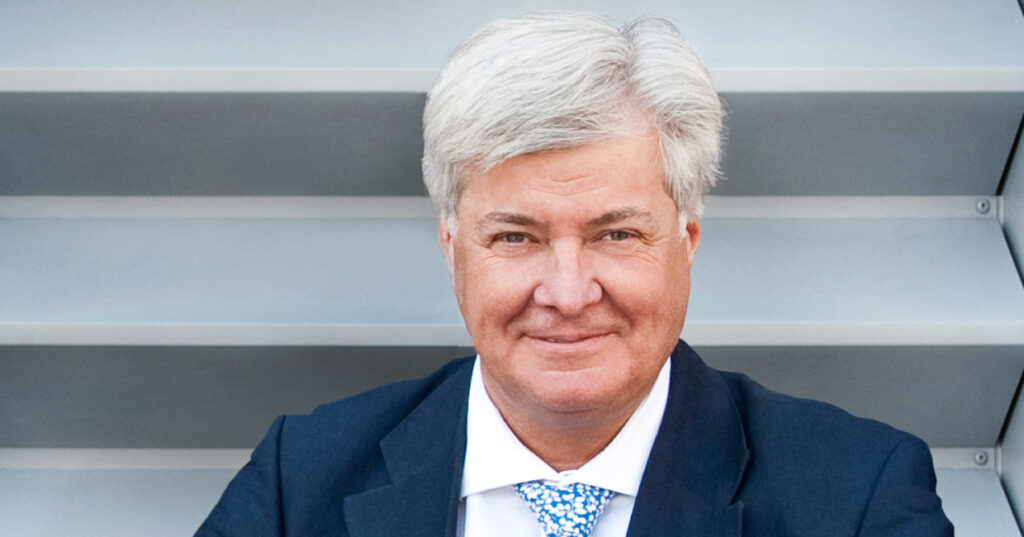
Robin Sheppard has been an hotelier for over 40 years and co-founded Bespoke Hotels in 2000, which has subsequently grown into the UK’s largest independent hotel group and now boasts over 200 properties, spanning the length and breadth of the country and overseas. Robin’s greatest achievement has been to fight back from Guillain-Barre Syndrome which completely paralysed him from the neck down, requiring relentless physiotherapy to regain mobility. A Solitary Confinement documents this journey – the proceeds of which are given to GAIN, the UK charity offering support sufferers of Guillain-Barre, where he is a Trustee.