


As ever, one of the key topics at Sleep 2016 will be the means by which hotels can differentiate themsleves in an increasingly competitive industry. Artwork is proving to be a key component in this bid to stand out and, as such, Sleep will assemble an impressive panel of experts to discuss how it might be used to strengthen a hotel’s aesthetic, guest experience, and brand identity as a whole.
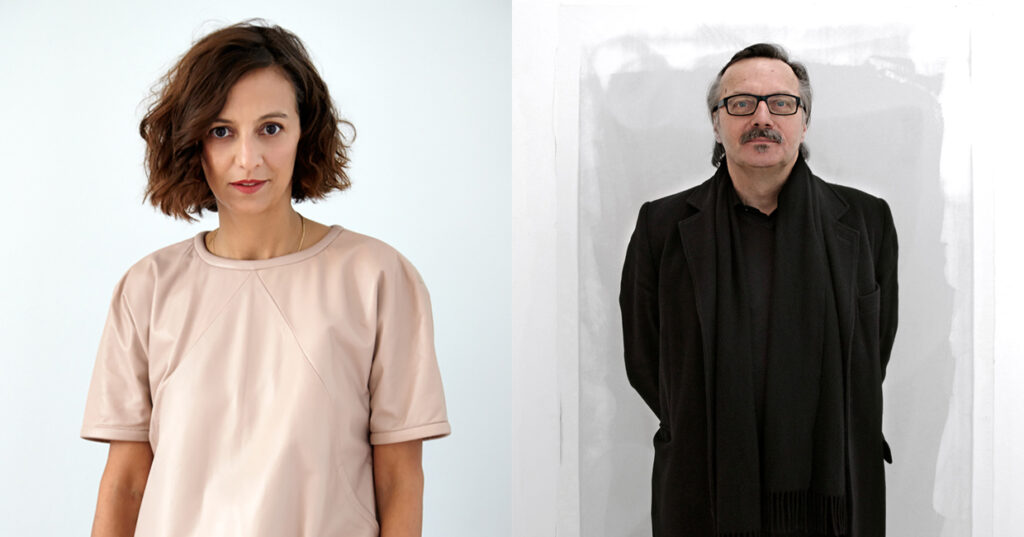
Ahead of the talk, three of the panelists have kindly agreed to share their thoughts on this topical subject. Sune Nordgren has been working as the art advisor for Scandinavian hotel group, Nordic Choice, for ten years and has curated some twenty art hotels, focusing on contemporary art as an integrated feature of the overall design and with the ambition to re-define the notion of “hotel art”.
Alex Toledano, Ph.D., Co-founder and President of VISTO Images, leads the company’s Paris office. Alex was the music supervisor for the D.A. Pennebaker film, Kings of Pastry, which documents the competition for the title of Meilleur Ouvrier de France for pastry chefs. He has also written a book on Paris photographs and has contributed to publications including The New York Times, New York Magazine, and Lucky Peach.
Last but by no means least, Melita Skamnaki is a curator and art consultant. She has curated publications as well as exhibitions and programmes in museums like the Oscar Niemeyer Museum Brazil, Design Museum London, Science Museum London, Onassis Cultural Centre in Athens and numerous hotel projects for clients like Hyatt, Hilton, PURO Hotels among other private clients and spaces.
How can hotels use art to strengthen their brand?
Sune Nordgren: Contemporary Art can be challenging, but well selected and in the right places it can emphasise the interior ambitions of a hotel. It can be a very pleasant surprise or an eye-opener, make the guests remember the hotel and come back. Those who know the artists will be impressed and those who do not know about the artists will still notice that this is a very different hotel.
Alex Toledano: Art is at its most powerful in strengthening a hotel’s brand when it is surprising. Very frequently hotels think art helps most when it fits the design of the property, when it matches the decoration. In these instances, art functions like a carpet or a fabric, in that it contributes to the feeling and experience of a space.
“Art is at its most powerful in strengthening a hotel’s brand when it is surprising”
But art does much more for a hotel when it is striking, not only visually but also intellectually. When a piece draws in a guest because it’s not what they were expecting to see on the wall, the artwork is beginning to add extra value to the property. It is telling stories, asking a guest to think, and, ideally, helping the guest remember the piece and the hotel.
Melita Skamnaki: The first step is to use curated artwork and not only random decorative pieces that match the sofas. The story of a piece of art changes the guests attitude towards it. Today’s guests are very connected (most of them since birth really) with great access to information. They don’t want artwork on the wall. They want a story. They expect something they have not seen, a story they don’t know, a different narrative that will connect them with the city/ place they visit.
“We believe artwork is the connecting tissue between guests and their surroundings, and we have a holistic approach that creates layers for discovery”
We believe artwork is the connecting tissue between guests and their surroundings, and we have a holistic approach that creates layers for discovery. The art collections Double Decker Curators put together in hotels aim to invite guests to roam around and always find something new for themselves. If hotel brands really work towards this direction the outcome will definitely strengthen the brand. Hotel brands with depth in their approach are the ones that will survive and excel in these competitive times.
How do you strike a balance between working with regional and international artists?
Sune Nordgren: To create the uniqueness and special attraction you need to work with established, international artists. A defined gallery space within the common areas can accommodate for temporary displays of local and regional artists. Important is that these exhibitions also have to be of highest ambition and of a quality to match the ambition of an “art hotel”.
Alex Toledano: For each property we build a strong narrative for the art collection. This leads us to work with more local artists when the story is location-focused. In other cases, when the story is broader or more conceptual, we often bring in more international artists whose work speaks to the ideas behind the collection.
Melita Skamnaki: All hotels, even the hyper local ones, are international. A fact defined by the guests who could potentially come from anywhere. It is fascinating to involve the local art scene. We, at Double Decker Curators always involve established local artists, as well as University students and their tutors, with specific briefs and workshops that we might run – always keeping in mind a high quality outcome. It is beneficial for the outcome, but also for the hotel brand. It’s a way to draw locals in – which is always an asset, but international artwork needs to be present in order to give a more balanced feeling.
“Local artwork shouldn’t give a feeling of a forced idea, implemented like ‘locality for the sake of it’, as it looks fake and pretentious”
Local artwork shouldn’t give a feeling of a forced idea, implemented like ‘locality for the sake of it’, as it looks fake and pretentious. We need to think of the final outcome. I would also call ‘local artwork’ work created by international artists who are inspired by the specific place or have responded to a brief, inspired by an element connected to the hotel’s narrative. A visually connected artwork can also give a sense of place. There are many ways to maintain a balance based on the curating. It all comes down to instinct and experience; at the end of the day, sometimes the final art collection itself sets the pace.
How do you stay in tune with the pulse of the artistic community?
Sune Nordgren: There is only one way: by being present and taking part. To see as many exhibitions in galleries and museums as you can and to involve yourself in the ongoing discussions. To confront yourself with the debate but also to visit artists’ studios to understand the contemporary practice. When you are on your own: to read and contemplate!
Alex Toledano: At VISTO, research is the core component of all of our projects. We are constantly searching for great art and artists, from centuries past to the present, every way we can and enjoy nothing more than reading about art and spending a lot of time looking at it up close.
Melita Skamnaki: London is a great multicultural platform to constantly see new things and artists. As design curators we have very close relationships with museums all over the world, an element we consider quite unique as we bridge the cultural and the commercial worlds and we benefit from our connections and interlink them.
On top of this, Double Decker Curators collaborate with universities and institutions everywhere on the planet, and often visit them to discover new talents and see work in progress. My business partner, Wilhelm Finger, and myself believe in a constant exposure to art as well as an on going dialogue with artists and ideas.
This is why we constantly go to art fairs, design festivals, exhibitions, and work with numerous galleries and independent artists. We do not represent specific artists, which gives us the freedom to constantly develop our network and experiment more. We also develop in house designs for several hotel curating projects. Our team is switched on and everybody is from a different place on the globe, a fact that means different influences and ideas.