

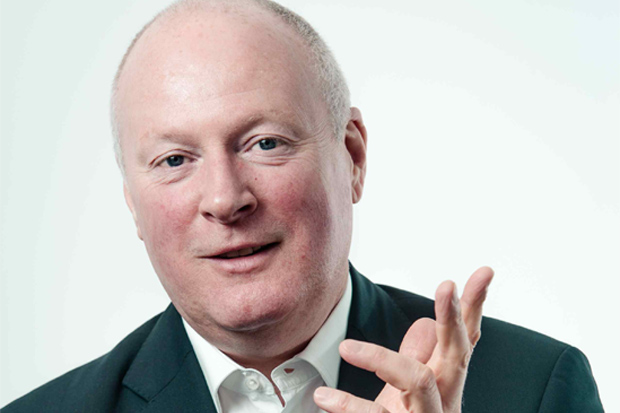

Crossover between the hospitality and retail sectors is becoming increasingly more visible as brands seek out new opportunities and avenues for growth and revenue. Here Michael Sheridan, chairman and founder of retail design agency Sheridan&Co, explains how important it is for companies to ensure brand continuity and cohesion within the interiors of any new venture.
There are many aspects of successful retail design that can be drawn upon when creating a new hospitality space. Product, brand and target audience should all be at the forefront when designing a new leisure venue, just the same as when working on a shop or concession stand.
When a brand is expanding its offering into the hospitality sector, for example the Armani Hotel in the Burj Khalifa or the Rapha Café within its London store, it is of the utmost importance that the company’s brand values are transferred into the new space.
“Continuity is vital when a retailer moves its brand into a new area such as hospitality,” says Michael. “The key to success lies in really knowing your target audience and catering to their expectations. Armani’s customers come to expect a level of luxury and attention to detail they wouldn’t find elsewhere. Using the best fabrics, furnishings and fittings in its hotels perpetuates the brand’s aesthetic and mission for excellence.”
Retail and hospitality share many similarities, demonstrated by the success of ventures such as Chanel’s Ginza Building in Tokyo. The fashion house’s image is reflected in the quality of the venue’s restaurant, as well as the events that are held in its Nexus hall.
“Tapping into experiences allows retailers to bring an alternative dimension to their brand, and offers more to their audience,” explains Michael. “Ginza, for example, plays host to events such as classical concerts and exhibitions, heightening and continuing Chanel’s perception as a go-to luxury experience.”
Welcoming audiences into a brand’s culture is the simplest way to see how retail and hospitality merge, and it is important to remember the basics.
“Greeting customers is essential, as it marks a point of direct recognition between the retailer and their market. First impressions really are make-or-break, and establishing this as soon as a customer comes through the door is paramount, not least as it reflects on the brand. A store that doesn’t cover the bare minimum needs to re-evaluate its reception policy!”
Brand values must move above and beyond expectations, which is where destination venues really come into their own. 2014 is the first year since the recession hit that the majority of customers will start once more to question who they make their purchases with.
Retailers will need to meet this increase in expectations but can fully use this to their advantage. Brand extension can be achieved through food and drink, achieving a homely, and ultimately, relaxing environment to a venue.
“Providing a bigger experience than competitors allows retailers to build their image,” says Michael. “Creating dwell needn’t be limited to hotels. We’ve seen Dior’s brasserie fully encompass its philosophy.
“Rapha’s Café is another fantastic example of a retailer that offers multiple experiences in-store: high-performance cycle clothing, restaurants, galleries and even the opportunity to have your tyres pumped while you wait across their branches worldwide.
“Interior design in the case of Rapha goes the extra mile, by incorporating cycle elements. The brand’s aesthetic for functionality and minimalism is brought about with the use of painted metal stools and tables, castors and spotlights, bringing the structure of a bike into the physical space surrounding the customer.”
Defining and streamlining what a retailer offers is paramount in getting through to a target audience. As Michael explains:
“Consumers are inundated daily with choices, but intangible qualities will always have appeal. Creating a space to experience a brand immediately slows down the target audience when they come in-store. Influences beyond price will continue to gain more importance.”
“Welcoming audiences into a brand’s culture is the simplest way to see how retail and hospitality merge, and it is important to remember the basics.”
Retail hospitality crossover works fantastically well with concessions, an environment where it is vital for brands to stand out from the crowd.
“At Sheridan&Co we work extensively with spirit brands such as Glenfiddich, Balvenie, Grants and Grey Goose for their Duty Free offering in airports across the world. Here, passengers have time to kill so experiential engagement augments interaction with the brands, turning them into customers.
“Boredom in the airport terminal can be alleviated by offering a heightened retail experience. Consumers are no longer swayed by tax-free prices, so shifting expectations of the shop floor experience is vital. Creating a home-from-home for them whilst on their travels has massive appeal.”
World of Whiskies asked Sheridan&Co to design just such a dwell space in their outlet at Heathrow’s Terminal 4. Michael’s team created a bar within the shop that draws its influences from gentlemen’s clubs.
“We wanted to build on the connotations most associated with whisky, giving World of Whiskies the opportunity to take on the embodiment of the product. Customers can try a selection of samples at a custom-built bar, and essentially get their own personal tasting-session. This concession’s interior draws on features seen in barrels, providing the optimum conditions for the drink and entrenching positive associations with the brand. We really enjoyed the inversion of creating a bar inside a wooden cask.”
Pop-up solutions also offer an alternative that develops audience exposure to retailers, whilst staying true to the brand.
“On a recent visit to Malaysia, I was able to view first hand a whole mall-size launch for Ferragamo’s latest fragrance,” says Michael. “Roaming sellers throughout the precinct alerted potential customers to the central zone manned by 40 core staff. Hosting staff were then on-hand to explain the product within the site in dwell areas. Other features included a grand piano and extra services such a gift wrapping, food, drink and product personalisation.”
There are various options when it comes to developing brand immersion through hospitality. One is the American model of bringing in partners as auxiliary providers, such as Chanel’s venture in Tokyo. However, a growing number of retailers such as Hackett have taken a fully integrated approach.
“There is definite growth of the a top-down approach to dwell creation. Hackett has crafted a full lifestyle experience, providing a barber service, complimentary shoe shining and monogramming for its accessories bought in-store.”
More than ever, it is clear that additional services will set retailers apart from one another. Customers may be starting to gain confidence financially but this is a gradual process so creating an experience, particularly destination venues and dwell spaces, will become more important. ‘More than retail’ is a trend Michael and his team envision will grow apace.