

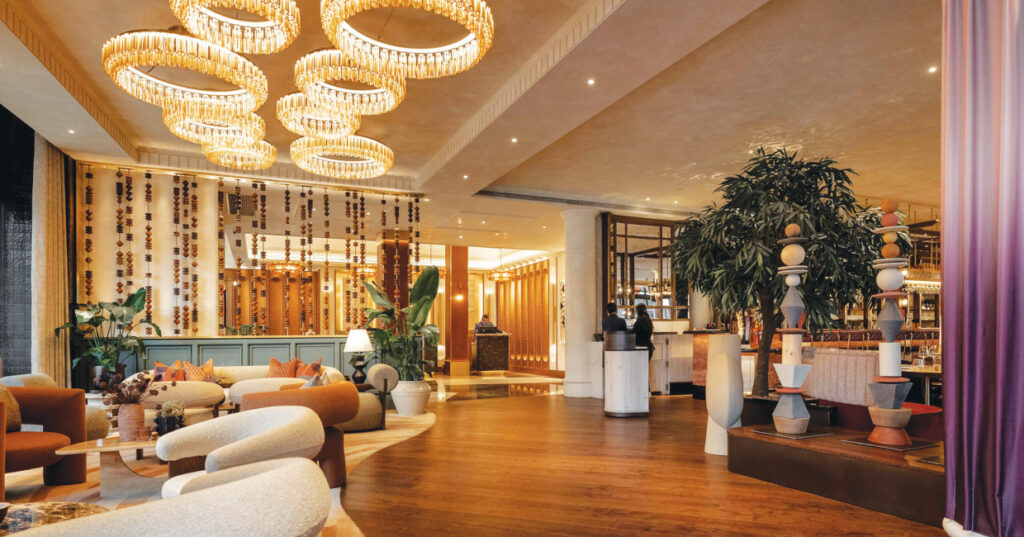

From soft rugs to fire-rated wood, flooring is no longer just a practical part of hospitality interiors. Designers and suppliers say it now plays a big role in creating atmosphere, telling a story, and standing up to heavy use.
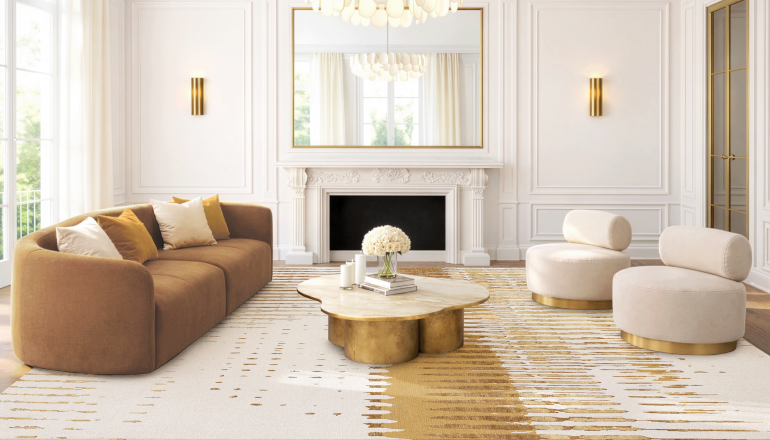
Hospitality interiors are changing, and flooring is at the centre of this shift. Richa Walia, founder of Northwest 35, says, “the nature of the hospitality space is changing,” with hotels moving “away from single-purpose environments towards those that support living, working, socialising and retreating.” Designers are now creating spaces that can adapt to different uses, and flooring is a key part of how this works.

Richa explains that as hotels become social and cultural hubs, “designers are placing greater emphasis on texture, tactility and ambiance, resulting in spaces that feel grounded and authentic.” She adds that there is “a renewed appreciation for surfaces and finishes that support atmosphere and mood, in harmony with the wider interior scheme.” Rugs, for example, are no longer just decoration. “Rugs are increasingly being treated as part of the design language of a space,” she says, helping “to anchor open-plan environments, soften acoustics and create moments of intimacy within highly active settings.”
The atmosphere created by a space’s design is now key. Richa says, “one of the strongest shifts we’re seeing is towards a more immersive sensory experience, with rugs playing an increasingly important role,” and adds that “tactility is returning, through richer surface texture and softness underfoot, signalling care and a heightened sense of quality.” Flooring can play a role in controlling sound, as she explains: “Soft flooring is being specified to reduce reverberation and support a calmer, more comfortable atmosphere in open and multifunctional spaces.”
Pattern and colour are also being used more thoughtfully. “Designers’ pattern choices are becoming more location-led, drawing on local cultural, architectural and material references for rhythm, scale and colour,” says Richa. Some areas, like lobbies and bars, are becoming bolder, with “a return to richer colour and a more expressive, sometimes maximalist approach,” while guestrooms are calmer, with “neutral palettes and layered texture to support rest and retreat.”
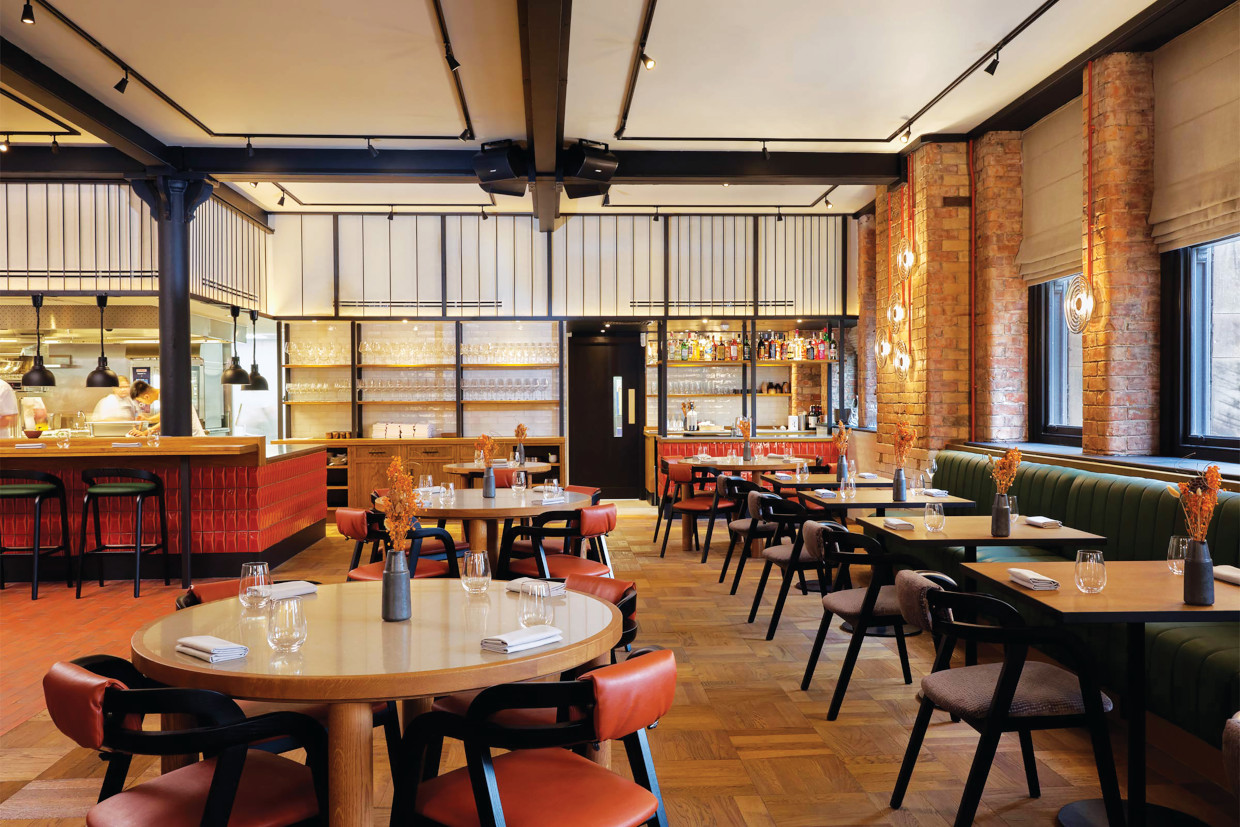
Hotel designs often use flooring to define spaces. Richa explains, “what feels different from past hospitality design cycles is the very deliberate application of a variety of schemes across a property, as opposed to uniformity throughout.” Public areas are designed to be updated regularly, while private areas are designed to last.
Alongside creativity, designers are thinking practically. Karen Raffles of Ted Todd says she is excited by “the shift towards more thoughtful, experience driven design,” with designers “moving away from short-term trends and instead specifying materials that feel authentic, age beautifully, and enhance how a space is experienced over time.” Flooring is also about “balancing aesthetics and value,” especially when designers need materials that look good, last long, and fit a budget.
Karen notes that designers are now focusing more on long-lasting responsible design. “What is different now is the move away from trend-led design towards sustainability and performance,” she says. She explains that the most successful designs are those “where the aesthetic intent and operational performance align from the outset.”
Wood flooring remains popular, especially where warmth and character are wanted. Kasia Lovell, project director at Havwoods, says, “we’re continuing to see strong demand for high-performance engineered wood flooring that can cope with heavy foot traffic without compromising on aesthetics.” Dark natural colours are particularly popular because they are “both timeless and practical, particularly in busy settings with regular cleaning regimes.”
Durable finishes can also make “a huge difference to the lifespan of a wood floor.”
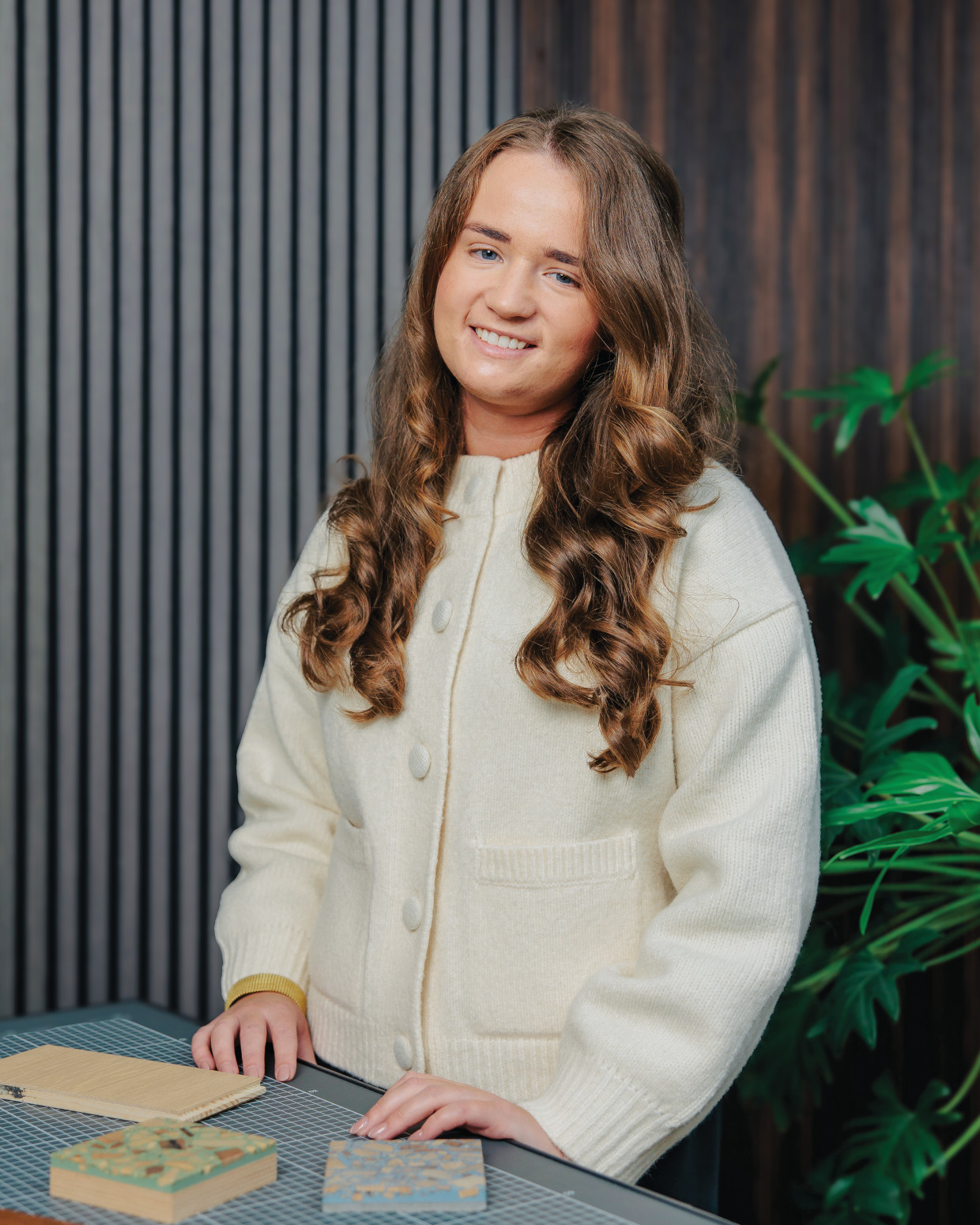
Reclaimed wood is also in demand. Kasia says it “brings individuality and warmth to a space,” and adds that “the sustainability message and ethos behind reclaimed wood is a great story to go alongside the unique aesthetic.” Reclaimed timber can be used for floors, walls, or furniture, giving spaces character. Where reclaimed wood is not suitable, engineered alternatives are “an excellent choice for high footfall applications” while still looking interesting and textured.
Performance matters too. Kasia points out that “the necessity for fire rated flooring is becoming more predominant in the hospitality market.” Flooring today is expected to combine safety with design, offering “design excellence and peace of mind” at the same time.
Collaboration is key to getting flooring right. Richa says, “whether the rug is to be the main act, or playing a supporting role in the design scheme, we like to be instrumental from the outset, and fully understand the vision.” Karen agrees, saying, “coherence comes from early collaboration and the right expertise.” Kasia adds that “collaboration is central to everything we do,” especially to make sure the flooring works well with furniture, joinery, and finishes.
Together, these perspectives show a hospitality sector that is both creative and practical. Flooring is no longer just something to walk on – it shapes how a space feels, tells a story, and stands up to real use. In today’s hotels and restaurants, what lies underfoot matters more than ever.