

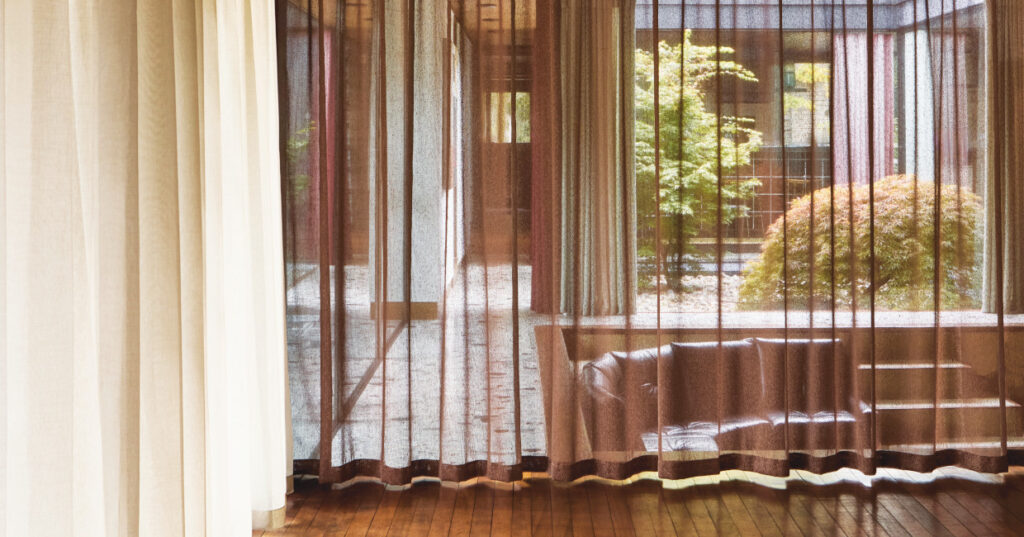

Fabrics and wallcoverings are at the heart of hospitality design, shaping atmosphere, comfort and identity. From bold patterns to tactile textures, designers are creating layered, memorable interiors that delight the senses while supporting sustainability and performance.
Hospitality design is evolving rapidly, and textiles are central to creating distinctive interiors. Lynn Wade from Skopos observes that the sector is “having to stand out from the crowd. It is a competitive marketplace with brands keen to create a recognisable look that they can own.”
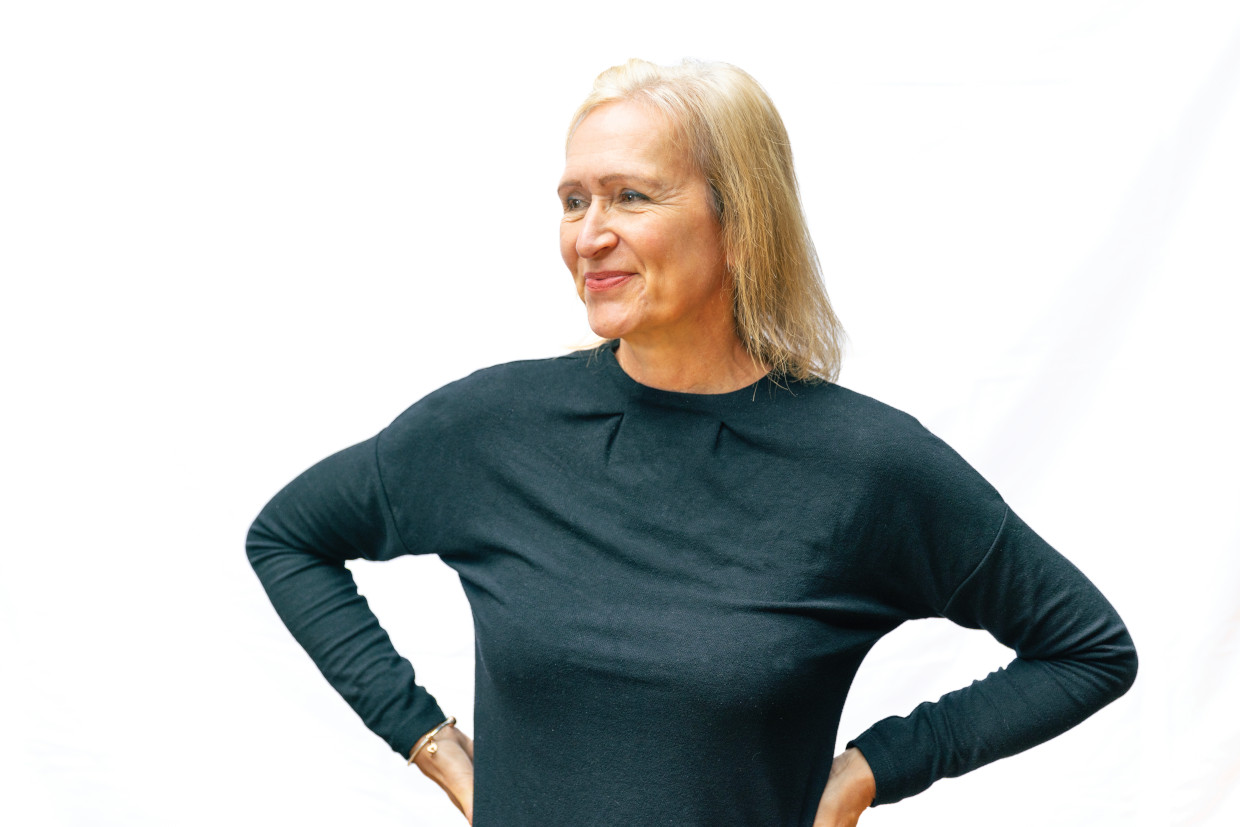
For Lynn, bespoke elements are key, whether referencing the heritage of a building or responding to the hotel’s location. “Many buildings are being reinvented and given a second life, which customers are keen to acknowledge,” she explains.
This focus on uniqueness has brought textures and layered materials to the forefront. Lynn notes that textures remain crucial, with interiors exploring the sensory appeal of contrasting fabrics. “There is still a real emphasis on including natural or raw materials in the design and patterning which is reminiscent of natural forms. Hence many printed designs come from an organic starting point.” While neutrals remain at the foundation, she points out that warmer tones are gradually replacing the cooler greys of recent years.
Fusion is a particularly striking trend in contemporary textile design. Lynn explains, “Layering designs on top of each other or merging two or three ideas seems to be very popular at the moment. This kind of idea creates designs which are more unexpected and less graphically simplistic, where the audience sees something different each time.” Designers are also becoming bolder, using pattern in ways that give interiors a fresh, maximalist edge. Bold prints often appear on cushions, throws and even walls, while curtain borders are experiencing a quiet comeback.
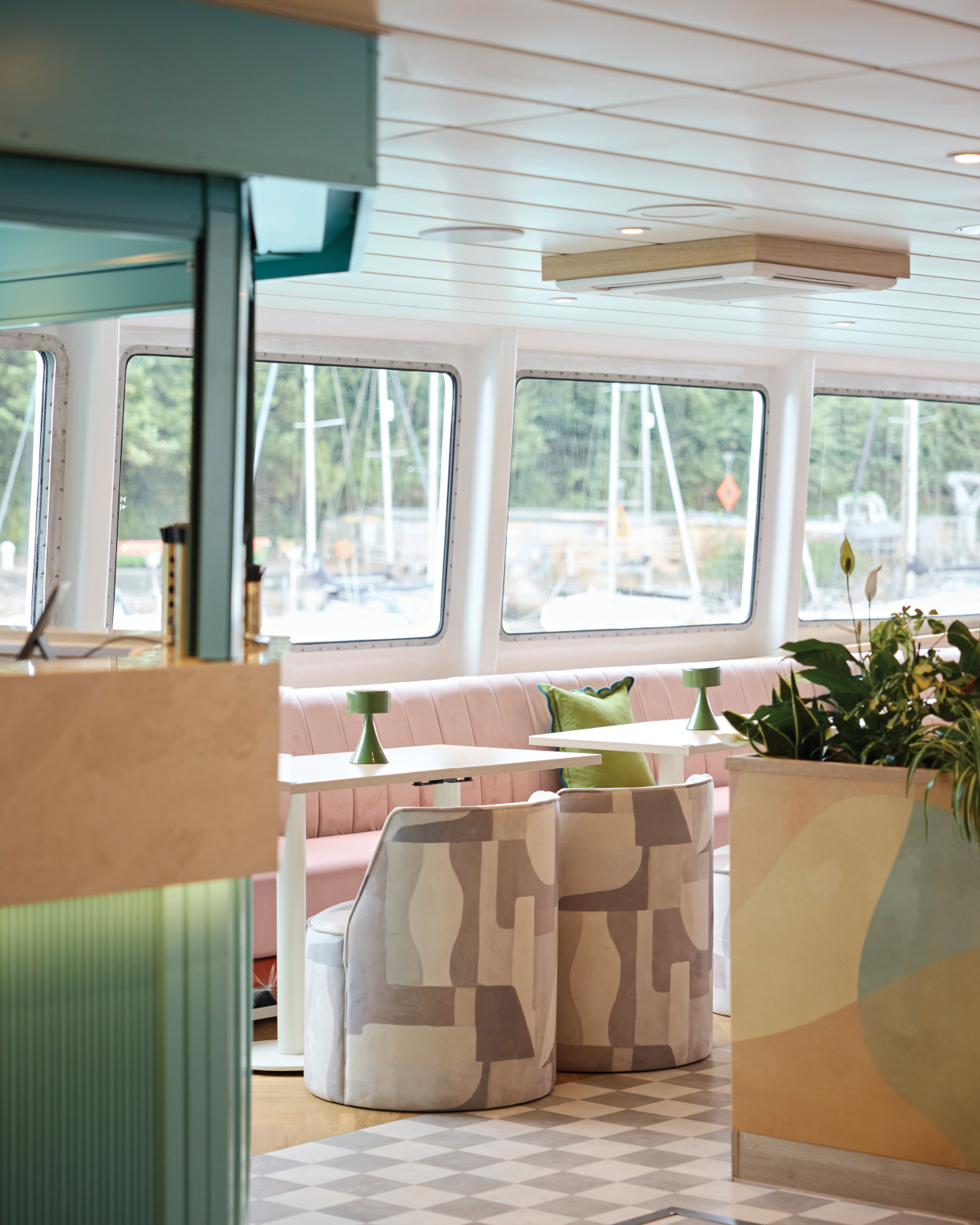
Lynn highlights how these trends appear in real projects. Skopos’ Cubist design was featured on Coastal Vibes Cruises’ party boat in Weymouth, designed by KTM Design. “The new design for the vessel included Cubist design on furniture, a design of soft-flowing forms, perfect for creating a relaxed vibe on the water. That is the benefit of print, as the design can easily be translated across different cloths for all types of end use,” she says.
Bespoke elements further enhance interiors. Working with Yorkshire designers Matthews Mee, Skopos created a scheme for the Metropole Hotel in Leeds that included a printed signature band on curtains, recycled boucle upholstery and feature cushions. “This scheme has given the bedrooms a unique, modern, yet timeless style,” Lynn adds. Similarly, for Ibis Styles York, branded cushions and curtains in a special herringbone colourway celebrated the city’s history while creating rooms prioritising rest and relaxation.
Performance is just as important as aesthetics in hospitality textiles. Lynn points out that designers must understand the functional qualities of any material. “We offer fabrics which are, among other things, antimicrobial, impervious, thermal, have acoustic properties, blackout and dimout. Designers can really bring these properties into the scheme, rather than just deliver the aesthetic look and feel of a space.” Skopos collaborates closely with designers to ensure coherence, offering guidance, bespoke options and full-service solutions including measuring, production and installation to schedule.
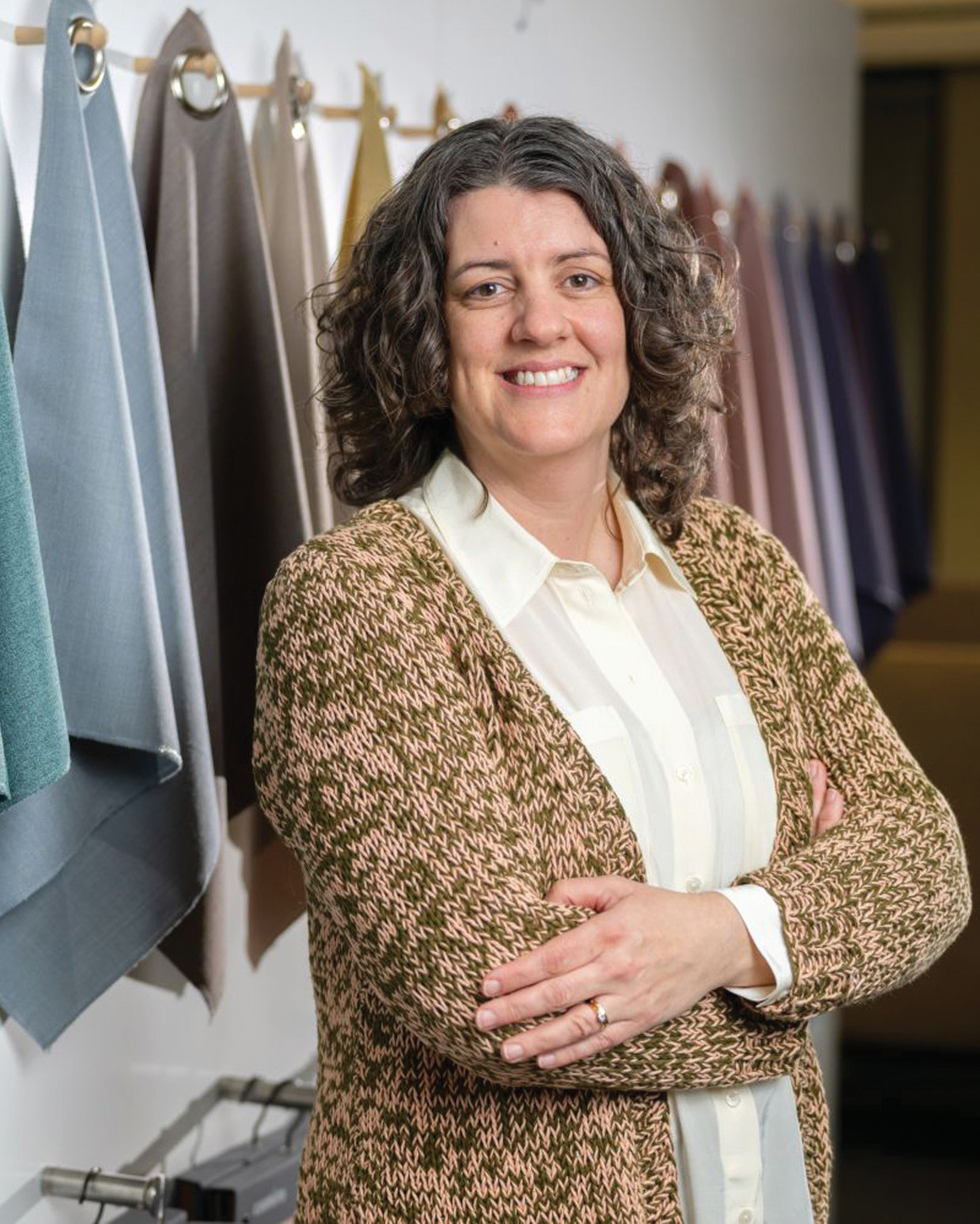
Rebecca Brogden, Senior Hospitality Design Manager at Camira Fabrics, highlights another dimension: sustainability. “What’s most exciting right now is how hospitality design is embracing sustainability as a core creative driver rather than an afterthought. Designers are looking for interiors that feel meaningful, restorative, and responsible – spaces that enhance guest wellbeing while also responding to environmental challenges.” Rebecca explains that this shift affects material choice and scheme planning, with fabrics expected to tell a story as well as perform.
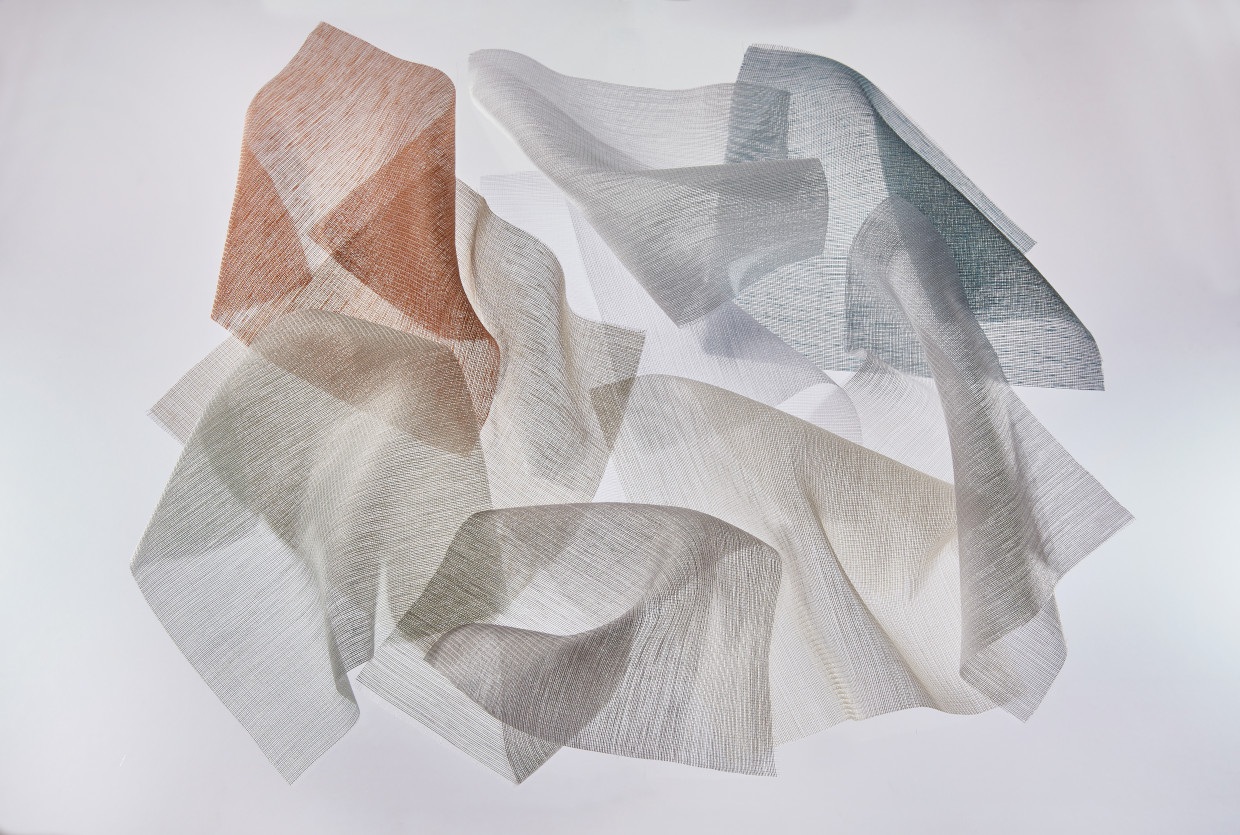
Layered, tactile interiors are also central to Rebecca’s approach. “Fabrics with depth, such as bouclés, sheers, and wool-rich textiles, are being used to add warmth, softness, and acoustic comfort. Fabrics are increasingly working together to create calm, immersive environments rather than purely decorative statements.” Circularity is another emerging trend. Rebecca notes, “Designers and clients are no longer just asking where materials come from, but where they go next,” encouraging interest in recycled content, recoverable materials and products designed for future reuse.
Camira has applied these principles across entire schemes. Rebecca says, “Hospitality projects often demand textiles that work hard behind the scenes, meeting high-traffic performance and stringent flame retardancy standards, while still delivering character and comfort. It’s particularly rewarding to see our fabrics specified across upholstery, curtains, headboards, and accessories, creating cohesive, considered interiors that support both the guest experience and environmental goals.” By offering a coordinated range spanning upholstery, acoustic solutions and a new sheers collection, Rebecca enables designers to achieve layered, harmonious interiors.
Both Lynn and Rebecca emphasise the importance of creating a journey through design. Lynn says, “It is vital to consider the journey you want to take the customer on. Each interior is like a journey and we want to be a part of creating memorable experiences and lasting visual impressions.” Rebecca adds that balancing performance, aesthetics and sustainability is essential. “Choosing fabrics that are both beautiful and responsibly made allows designers to future-proof their projects while delivering memorable spaces.”
Collaboration is key. Camira works closely with designers from the outset, advising on colour, texture and performance, while Lynn stresses that Skopos’ team provides guidance and bespoke options until every element aligns with the scheme’s objectives. In this way, fabrics and wallcoverings are not simply decorative but essential to defining atmosphere, supporting sustainability, and creating a coherent, sensory-rich hospitality experience.
Ultimately, fabrics and wallcoverings do more than complete a room. As Lynn and Rebecca show, they define character, engage the senses, and support environmental responsibility. Thoughtful textile design allows hotels to tell their story, creating interiors that are immersive, enduring and memorable, and that leave a lasting impression on every guest.