

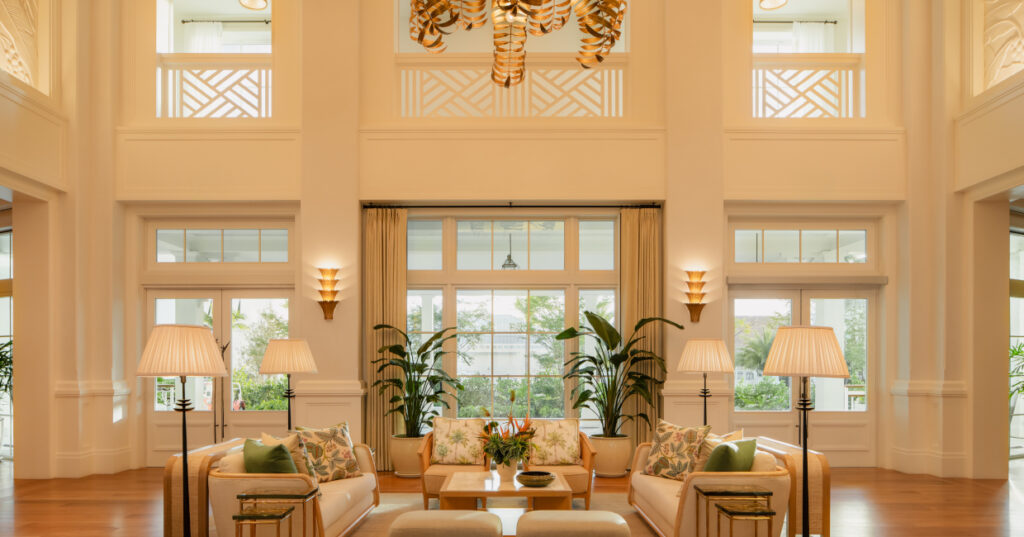

Hart Howerton, led the masterplan, architecture and landscape design for the Naples Beach Club, A Four Seasons Resort, with interior design by Champalimaud Design, revitalising one of Florida’s most beloved resorts while preserving its historic role as a gathering place and reimagining it for the future.
Originally established in 1946 by the Watkins family, the Beach Club was for decades the only public beachfront destination in Naples where locals and visitors could gather for food, drink, and celebrations. Generations remember striped awnings flapping in the Gulf breeze, evenings at HB’s on the Gulf and Sunset Bar, and milestone events celebrated under its roofs. In 2021, The Athens Group and BDT & MSD Partners took stewardship of the 125-acre property, committing to preserve its legacy of hospitality while reintroducing it as a world-class Four Seasons resort and residential community.
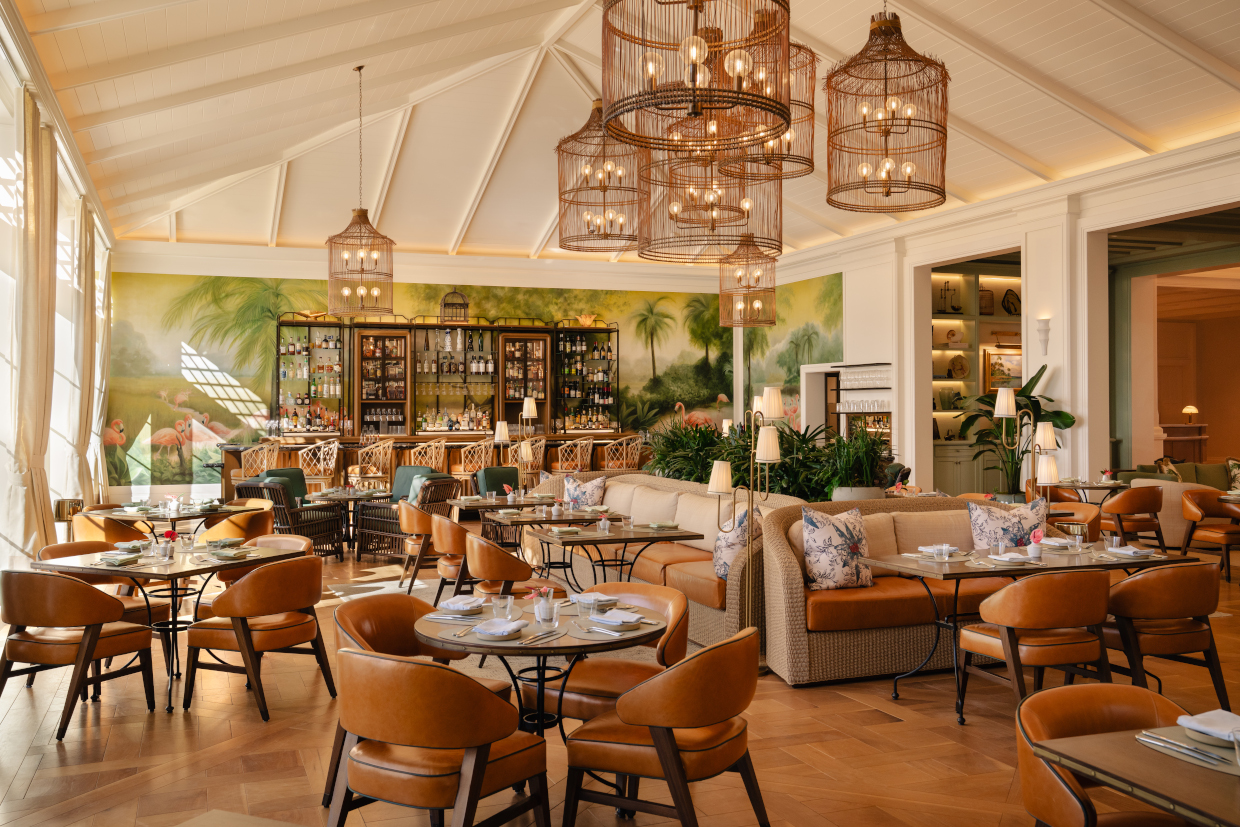
Naples itself has long been defined by its cottages, porches, and elegant Gulf lifestyle. In the late 19th and early 20th centuries, development began around the Naples Pier, where one- and two-story cottages featured clapboard and board-and-batten siding, broad screened porches, and deep roof overhangs suited to the coastal climate. The original Beach Club carried this tradition forward, and even as the property grew to include a five and seven-story hotel in later decades, the bar, awnings, and beachfront remained its cultural anchor. The new design embraces this layered history. It is conceived as a collection of buildings, echoing the way the site developed over generations rather than as a single monolithic resort. This holistic approach ensures continuity with the past while opening the property to new uses and experiences.
Materials across the property were chosen to balance character with resilience. The hotel’s structural core is cast-in-place concrete, engineered to withstand coastal conditions, while stucco is applied to concrete blockwork and detailed to mimic traditional clapboard siding, preserving a sense of place. Larger buildings are crowned with standing seam metal roofs, while low-rise beachfront structures are capped in cedar shake. Stucco, hand-pressed with shells, anchors the architecture to the white sands of the Gulf, while the property’s signature striped awnings, color-matched to originals, extend one of its most beloved historic details into the present.
Landscape is equally integral. A thousand feet of beachfront is framed as a garden of pools, lawns, and gathering spaces oriented to the Gulf, reinforced with restorative dune plantings of sea oats, sea grasses, and sea grapes whose root systems stabilize the shoreline. A central pedestrian walkway, the “coconut connector,” threads inland to link the beachfront with the golf course and Market Square, knitting the campus together across Gulf Shore Boulevard North. On the east side of the property, over 100 acres of open space have been permanently preserved through a conservation easement, ensuring the golf course remains a defining green expanse in perpetuity.
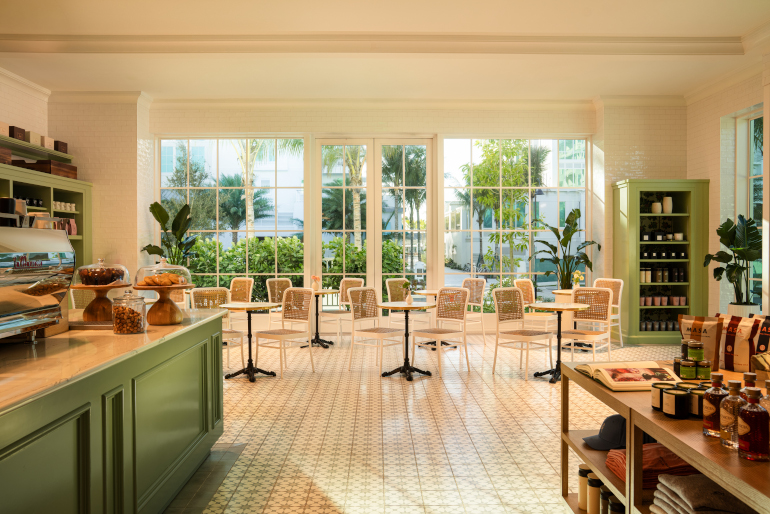
Market Square anchors the inland edge with restaurants, wellness, and event spaces that extend the Beach Club’s social tradition. The program includes a restaurant, The Wager, a multi-level spa and fitness center with co-ed aqua therapy introduced by Hart Howerton, plunge pools, and versatile event venues for weddings and celebrations. This space further reinforces Naples’ role as a town built on community, with access to rented bikes, offshore excursion offerings, trips to 10,000 Islands National Park, and an arrangement of F&B and retail options. Together, Market Square and the beachfront create a “dumbbell” plan, tied by the coconut connector, that organises the property around its twin anchors: Gulf and golf.
Beyond the hotel, 141 Four Seasons Private Residences redefine luxury living as “homes in the sky.”
The beach-facing residences average more than 5,600 square feet, and the golf course-facing residences average around 4,330 square feet. These residences feature expansive outdoor terraces 13–15 feet deep and layouts designed to accommodate multi-generational living. Two typologies distinguish the offering: penthouse residences with sweeping Gulf views, private pools, and landscaped terraces, and beach houses at the ground floor, elevated yet connected directly to the sand by private staircases. Residents enjoy full access to the hotel’s amenities, complemented by their own pools, spa and fitness areas, and dining spaces, ensuring access to both privacy and community.
Through their master planning work and visionary programming, Hart Howerton was able to fully capture what the perfect “Day in the life” looks like at Naples Beach Club for its residents, guests, and the community who visit. Through architecture, materials, and landscape, Hart Howerton preserved its role as a social anchor in Naples, blending resilience with tradition, coastal architecture with contemporary living, and resort hospitality with private homes in the sky. This project ensures that the spirit of the Beach Club not only endures but thrives for future generations.