



As wellness becomes an increasingly important consideration in hospitality design, The Wellness Design Group is taking a holistic approach to creating spaces that support health and wellbeing. Lauren Livramento tells Hospitality Interiors how thoughtful, evidence-led design can enhance the guest experience, from improved sleep and air quality to the integration of wellness throughout a hotel.
Who is The Wellness Design Group?
The Wellness Design Group was founded to address something I believe is fundamental to good design: the impact our surroundings have on our health and wellbeing.
My background is in luxury interior architecture and design, and through my work I became increasingly interested in the relationship between the built environment and how we feel, sleep, recover and perform. We spend around 90% of our time indoors, yet we often give far more consideration to the aesthetics of a space than to how that environment might be affecting us.
The Wellness Design Group brings together science-backed wellness consultancy and design, working with architects, developers and hotel operators to integrate evidence-led wellbeing principles into the built environment. As an Accredited Professional with the International WELL Building Institute™ (WELL AP), I bring an understanding of established health and wellbeing principles in buildings to our work. In hospitality, that means looking beyond the spa or gym and considering the entire guest experience, from the air they breathe and the water they drink to lighting, acoustics, materials and, ultimately, the quality of their sleep.
We are particularly interested in luxury hotels, wellness resorts, members’ clubs and longevity-focused developments, where there is a real opportunity to make wellbeing an integral part of the guest experience.
We are developing a pilot scheme for hotels that want to optimise selected bedrooms and suites for wellbeing without the need for a full renovation. We see this as an opportunity to demonstrate how thoughtful, targeted interventions can enhance the guest experience while working within the constraints of an existing building. We’ll be sharing more about this initiative on our website and social channels soon.
 How can hotels incorporate wellness into the wider guest experience, rather than limiting it to dedicated spas and treatment areas?
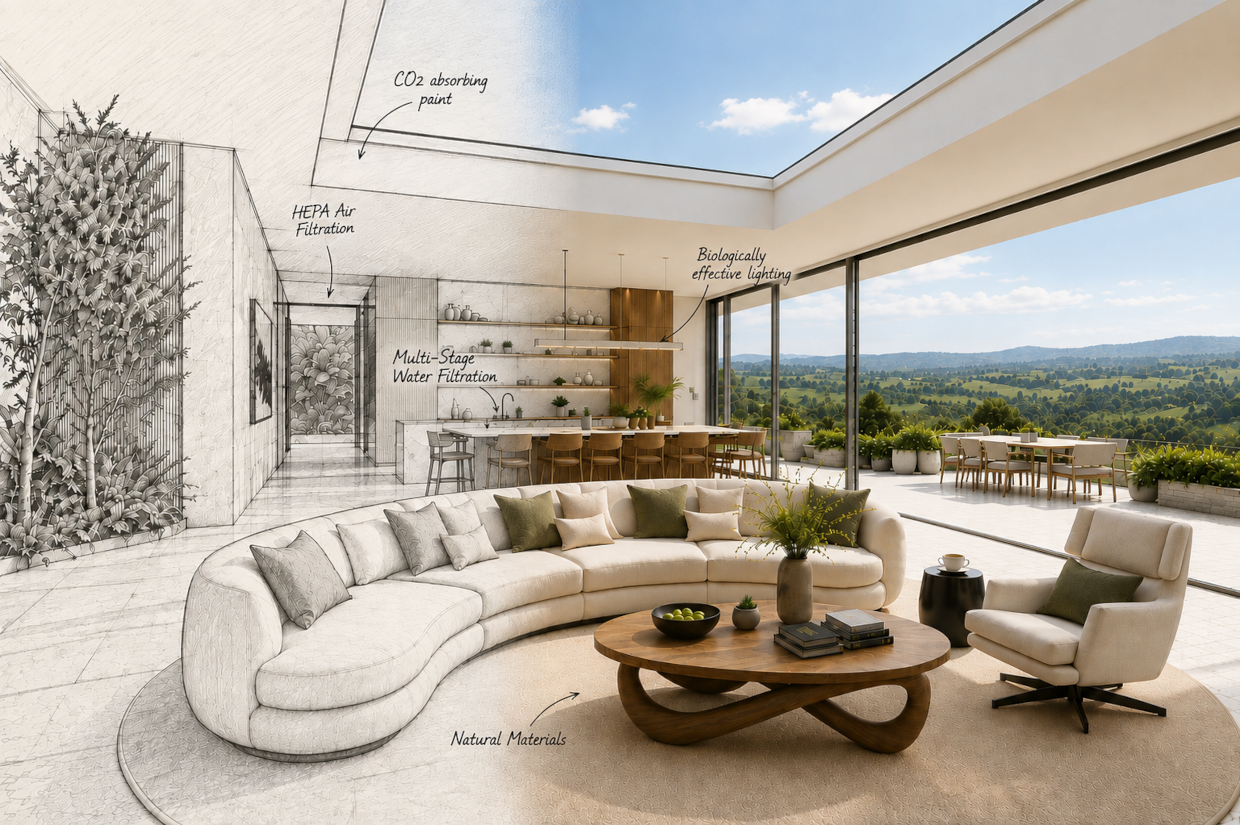
I think it starts with recognising that the environment itself can play an important role in the guest’s wellbeing. Wellness doesn’t need to be something you book or visit; it can be built into the experience of simply staying in a hotel.
The bedroom is a particularly important place to start, because the quality of the environment can influence how comfortably we relax and sleep. There are several factors I believe hotels should be considering, for example, good air filtration and carefully considered material specifications can help improve the indoor environment, while appropriate lighting can support our natural circadian rhythms. Temperature, acoustics and the quality of the sleep environment are equally important when creating the conditions for restorative rest. Water filtration is another consideration, alongside understanding and, where appropriate, mitigating sources of EMF exposure.
These elements don’t need to be visible or advertised as wellness features to add value. In fact, some of the most effective interventions are the ones guests experience through greater comfort, without necessarily knowing why a room feels different.
I also think it’s important to consider the entire guest journey. Lighting, acoustics, temperature, natural materials and connections to nature can all contribute to how we feel in reception areas, restaurants and other shared spaces, not just in the bedroom.
Ultimately, it’s about taking a more holistic view of hospitality design. Rather than concentrating wellness in a spa or treatment area, we can consider how the building itself supports the guest experience. When these principles are integrated thoughtfully, wellness becomes part of the hotel’s DNA rather than an additional amenity.
Are there any recent projects you have worked on that particularly demonstrate your approach to wellness design? What were the key design considerations?
A project that illustrates our approach particularly well is a luxury Knightsbridge apartment we have designed for a professional athlete, where wellness and performance were of upmost importance.
Although residential rather than hospitality, it demonstrates how we translate wellbeing principles into practical design decisions. The focus was on creating an environment that supported sleep, recovery and day-to-day performance without compromising the quality or sophistication of the interiors.
We considered a range of factors, including enhanced air and water quality, circadian lighting, electromagnetic field exposure, ergonomics and material selection. This included carefully specified low- and zero-VOC finishes and bespoke joinery, alongside thoughtful choices for flooring, finishes and fabrics.
The important point was that these decisions were integrated into the overall design, rather than added as separate wellness features. The aim was to create a luxurious home that worked harder for the person living in it.
 Looking ahead, how do you see wellness influencing the future of hospitality design, and are there any emerging trends you think will become particularly important?
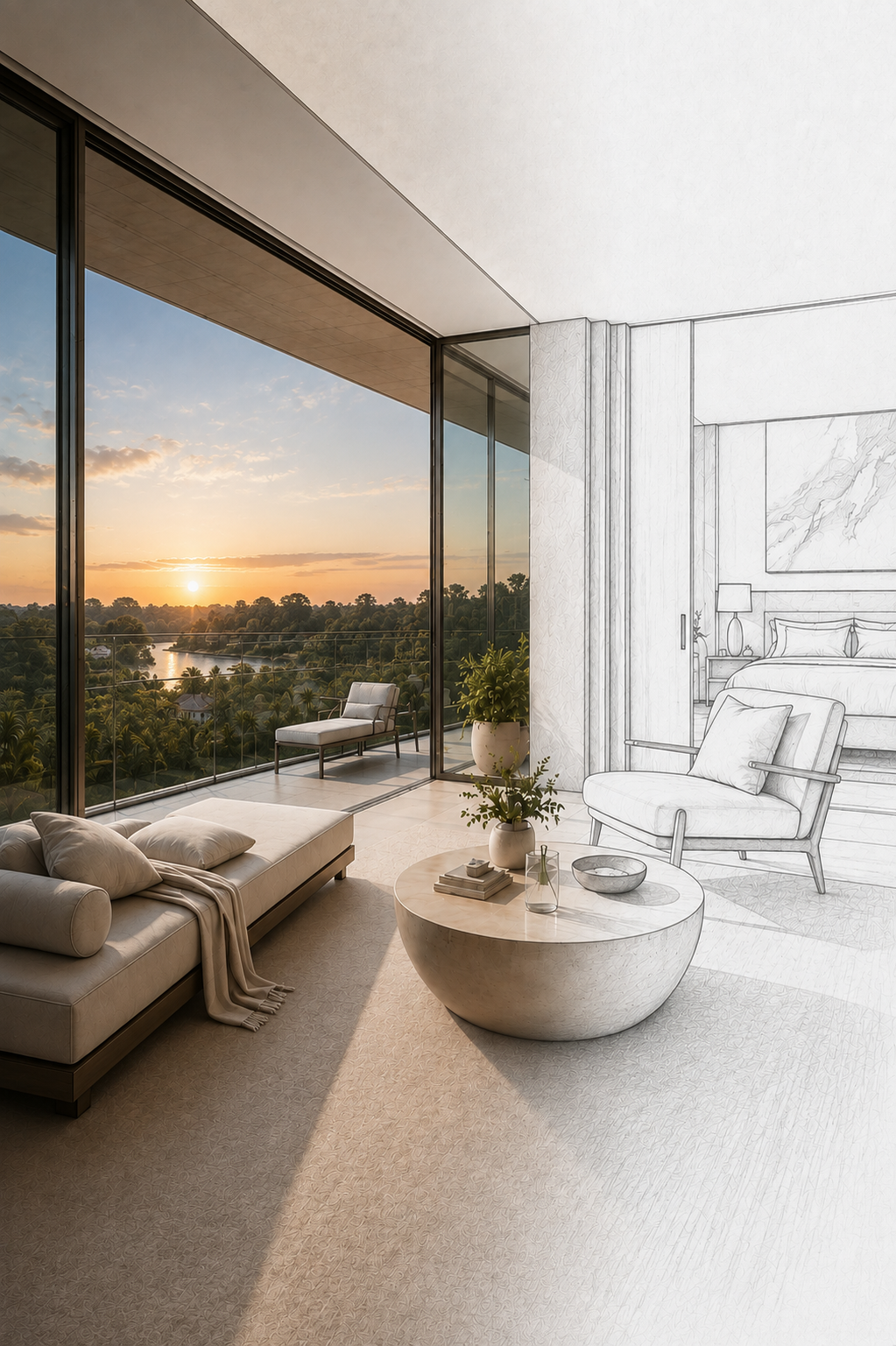
I believe wellness will increasingly become part of the fundamental design brief, rather than a separate category within hospitality. As people become more informed about sleep, longevity, recovery and the relationship between their environment and their health, they will increasingly expect hotels to consider these factors as part of the overall guest experience.
One area I find particularly exciting is the evolution of sleep-focused hospitality. Sleep is one of the most fundamental aspects of wellbeing, yet the bedroom environment is not always given the attention it deserves. I expect to see greater consideration of circadian lighting, acoustic comfort, temperature, air quality and more personalised sleep environments.
I also anticipate a greater focus on measurement and verification. Rather than simply describing a hotel as wellness-led, there is an opportunity to assess the indoor environment, identify areas for improvement and demonstrate what has been achieved. Frameworks such as the WELL Building Standard™ provide an established reference point for considering health and wellbeing in buildings, although the right approach will depend on the project and its objectives.
Technology will play a role, too, particularly where lighting, ventilation and temperature controls can respond more intelligently to occupants’ needs. However, the most successful developments will balance technology with the things that make a space feel human: natural light, beautiful materials, connection to nature, comfort and a sense of calm.
There is also an enormous opportunity to bring wellness into existing hotels. Much of the conversation around wellness-led hospitality focuses on new developments or major refurbishments, but meaningful improvements can also be achieved through a more targeted approach. The conversations we are having with a variety of hotel brands reinforce our view that there is growing potential to optimise existing rooms and suites for wellbeing without the need for a full renovation. This could offer operators a practical way to enhance the guest experience, differentiate their offering and make better use of their existing assets.
Finally, the relationship between hospitality, wellness and longevity will continue to evolve. We are seeing growing interest in experiences that go beyond a traditional spa stay, with a stronger focus on recovery, personalised wellbeing and healthy living.
For me, the opportunity is to bring these ideas together in a way that is both evidence-led and design-conscious. The future of luxury hospitality isn’t simply about offering more wellness facilities. It’s about creating environments that help people feel better, rest more effectively and leave feeling that their stay has genuinely done them good.