

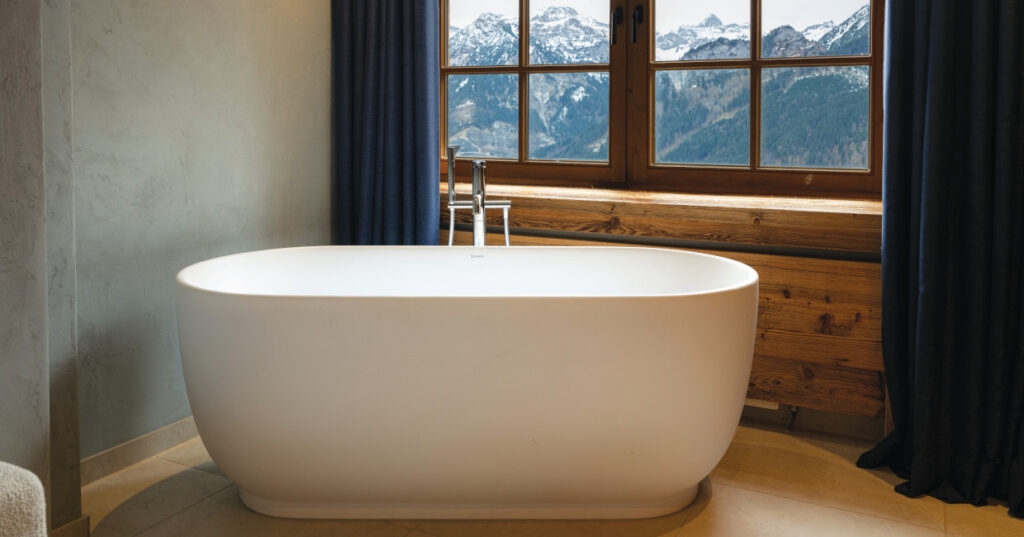

From spa-style sanctuaries to quietly integrated accessible design, the hospitality bathroom has become far more than a functional necessity. Designers and manufacturers are now creating spaces that balance atmosphere, durability and sustainability, while ensuring guests feel both indulged and entirely at ease.
The hospitality bathroom has undergone a remarkable transformation in recent years. Once considered a purely practical space, it is now expected to deliver the same level of design attention as the bedroom, lobby or restaurant. Across the sector, designers are responding with bathrooms that feel calmer, warmer and more experiential, while manufacturers are developing products capable of withstanding the realities of constant use.
Martin Carroll, Managing Director of Duravit UK, believes the most significant change has been the rise of “wellness-led” design. “The biggest move has been towards a more wellness-led feel, creating calmer spaces with spa style elements,” he says. “This is designed to enhance the guest experience yet behind the scenes, there is the need for solutions that are easier to clean, more robust and more sustainable.”
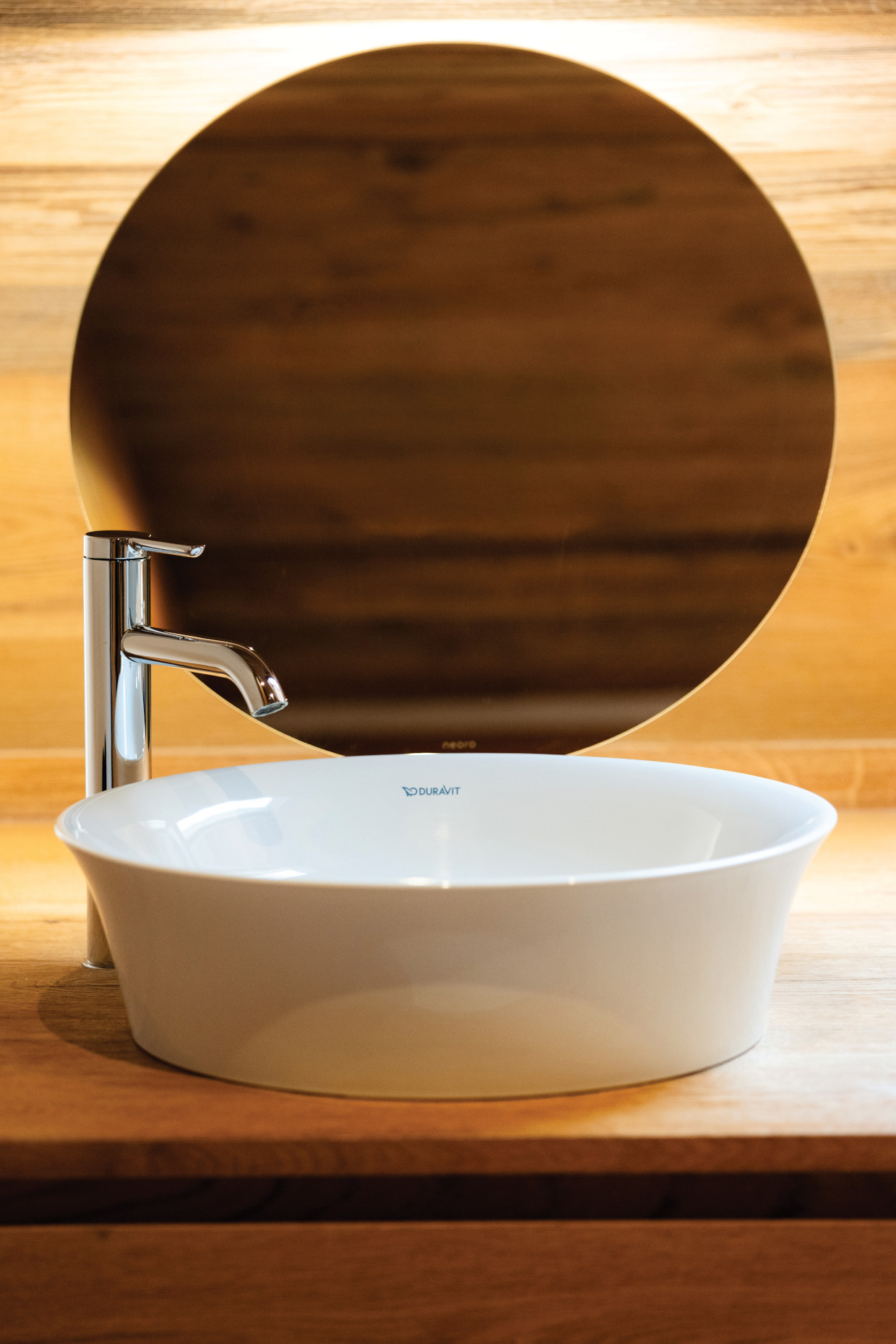
For Carroll, many of the features now expected within hospitality bathrooms are rooted in this desire for comfort and calm. “Wellness features within this sector that are now expected include larger walk-in showers, better lighting and mirrors, and a more considered ambience,” he explains. Importantly, these spaces must also support inclusive design without compromising aesthetics. Carroll points to flush floor shower trays as an example of how accessibility can be integrated naturally within luxury environments. “Barrier-free entry can still provide a strong aesthetic,” he says.
Martin Saxby, Country Manager for HIMACS, has also seen hospitality interiors move towards surfaces and materials that deliver both elegance and resilience. “HIMACS is ideal for elegant and durable surfaces in multiple applications for hospitality environments, from high-impact reception desks to high-performance bathrooms and spas,” he explains. “It’s robust, non-porous composition means it’s resistant to stains and can be seamlessly joined to create flawless, monolithic, easy-care finishes.”
For Saxby, hospitality designers are increasingly looking for flexibility as well as durability. “Its design versatility enables all kinds of customisation from curves to engraving and from backlighting to integrating logos,” he says. “Furthermore, an extensive palette means there is a beautiful colour choice for every scheme.”
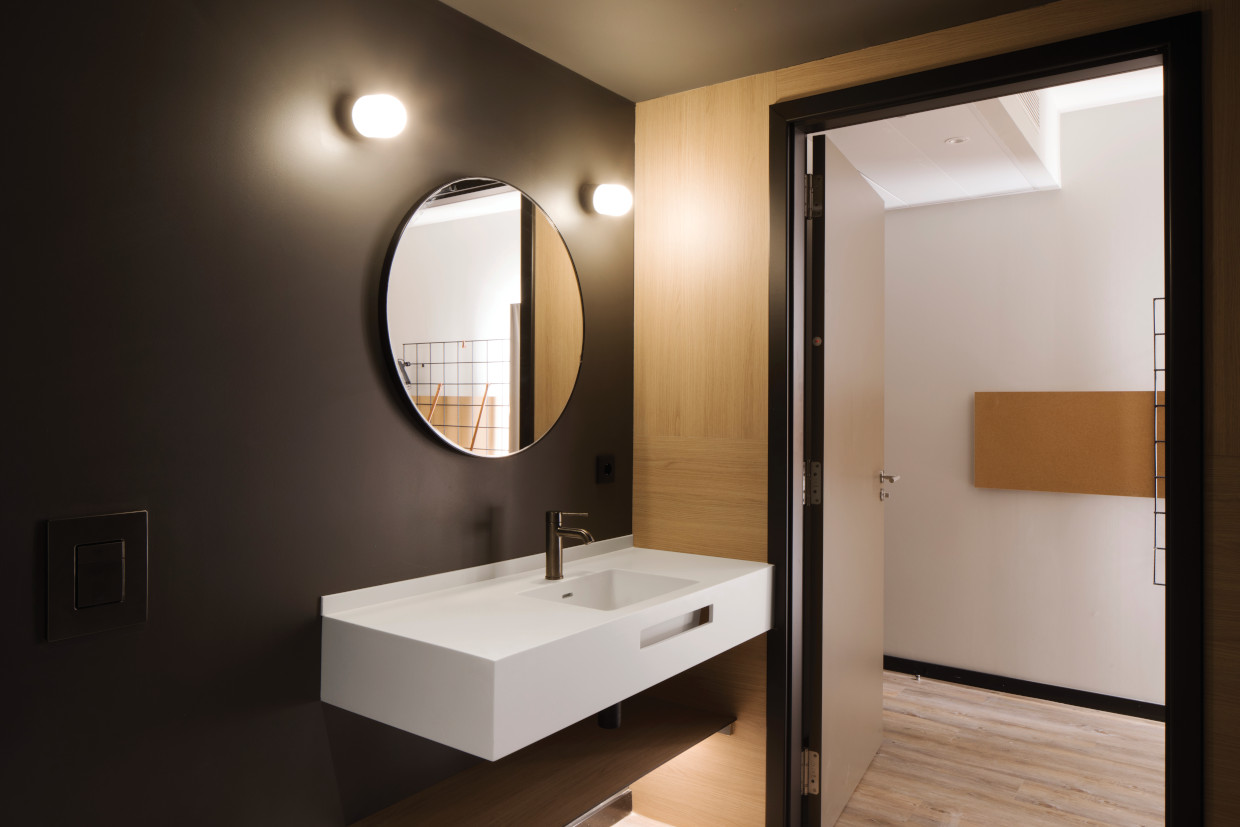
HI-MACS by Banema
This desire for more expressive and tactile bathroom spaces is something Lee Breeds, Global Projects Corporate Director at Roca Group, has also observed across international hospitality projects. “There’s been a clear shift towards designing bathrooms as part of the overall guest experience, rather than purely functional spaces,” he says. “We’re seeing a move towards more open, integrated layouts, particularly in boutique and luxury hospitality, where bathrooms connect visually and materially with the bedroom.”
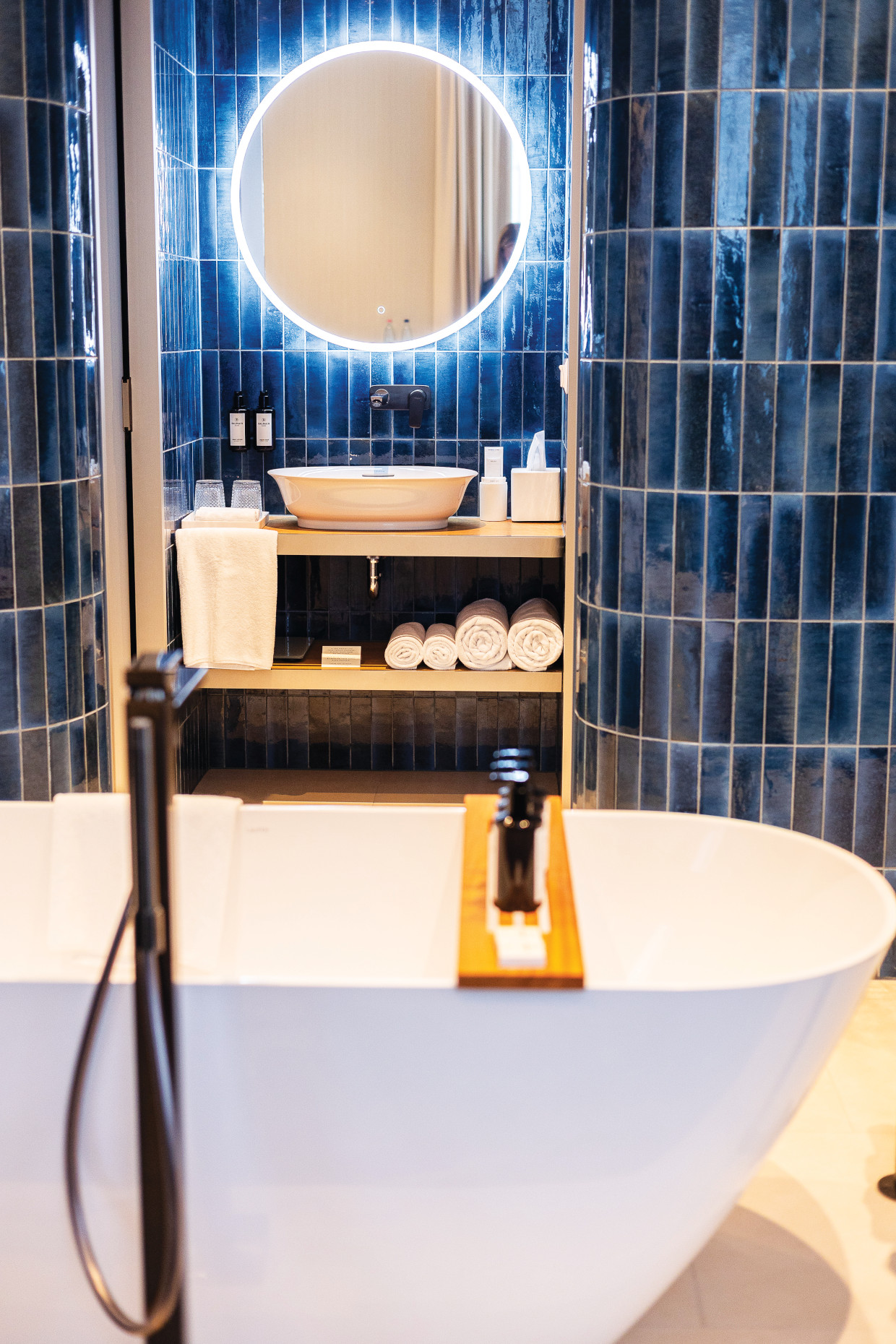
Breeds believes wellness has become central to the design process. “Designers are thinking more holistically about lighting, acoustics and materiality to create calming, spa-like environments,” he explains. At the same time, technology and sustainability have become embedded within hospitality bathrooms. “Touchless fittings, smart mirrors and improved water efficiency systems are becoming standard,” he says.
Accessibility has emerged as another defining theme across the sector. Caroline Borowski, Country Manager UK at KEUCO, believes hospitality washrooms have become “one of hospitality’s most telling spaces”. She says designers and operators “have moved from treating bathrooms as back-of-house necessities to a front-line guest experience”.
For Borowski, the strongest shift has been towards inclusivity that feels seamless rather than clinical. “The strongest trend is inclusivity – designing for a wider range of ages, abilities and needs without resorting to the cold, institutional elements that once defined accessible bathrooms,” she explains.
This thinking has influenced the development of products that integrate accessibility into the wider design language of a hotel. Borowski says support products should never feel like afterthoughts. “Accessibility should feel natural, not clinical,” she says. “Inclusive features work best when they’re specified as integrated design tools, planned early, coordinated with layouts, and aligned with the look and feel of the property.”
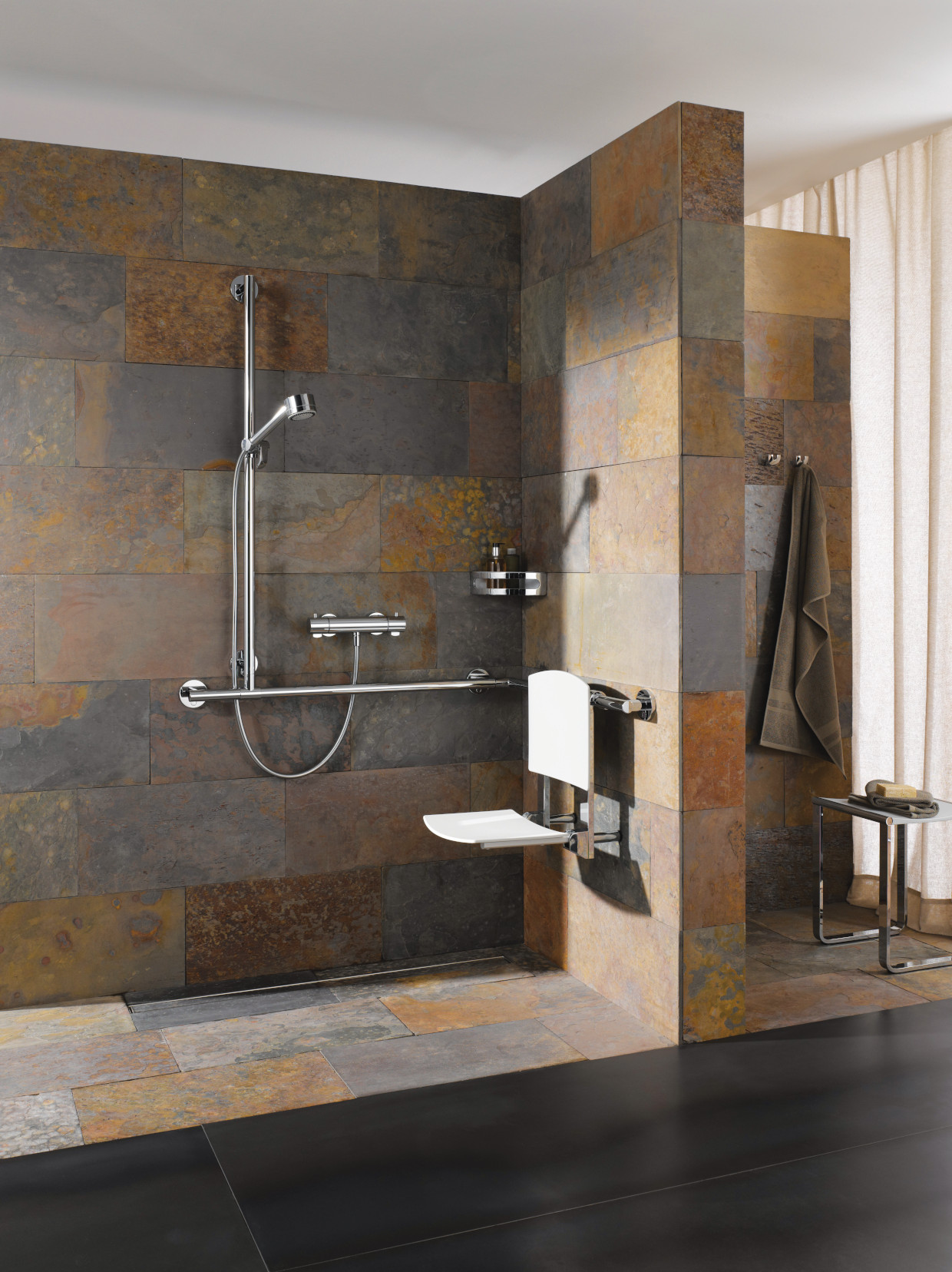
For all four suppliers, successful hospitality bathroom design depends on balancing aesthetics with practical performance. Carroll warns that many mistakes happen when bathrooms are treated as secondary spaces within a project. “The most common design errors tend to arise if the bathroom design is treated as an afterthought,” he says. “Small decisions especially around layout, specification and detailing can affect the guest experience.”
Storage and usability remain particularly important. “Guests must have room to place toiletries, towels, to shave, dry their hair,” Carroll explains. He also notes that selecting products unable to withstand heavy use creates long-term operational problems for hotels through increased cleaning and replacement cycles.
Saxby agrees that material specification plays a critical role in the success of hospitality bathrooms. “Choosing materials either because they have certain glamour or meet a certain trend, which may not last, can be a mistake,” he says. Equally problematic, he argues, are products selected purely because they appear cost-effective initially. “They can be a false economy if they cannot withstand high-traffic use, or respond well to daily maintenance.”
Sustainability now underpins many of these decisions. Saxby believes hospitality designers are increasingly focused on long-term environmental performance rather than surface-level claims. “The very nature of HIMACS products offers a lifecycle that means installations will endure,” he says. “The material is both repairable and reusable, plus needs no harsh chemicals to seal or maintain its innate beauty.”
Durability is equally central to Duravit’s approach. Carroll describes longevity as essential within hospitality projects where bathrooms represent a major long-term investment. “Durability is more than a trend,” he says. “It reflects the current shift in fundamental values and the move towards consistency, quality and the sparing use of resources.”
Breeds also believes sustainability requires a broader and more collaborative approach. “Sustainability is a core focus for both Roca and Laufen. It’s is not only about what a product can offer but it’s also a mindset,” he explains. “It’s about selecting the right partners across the supply chain to ensure that circularity is fully considered.”
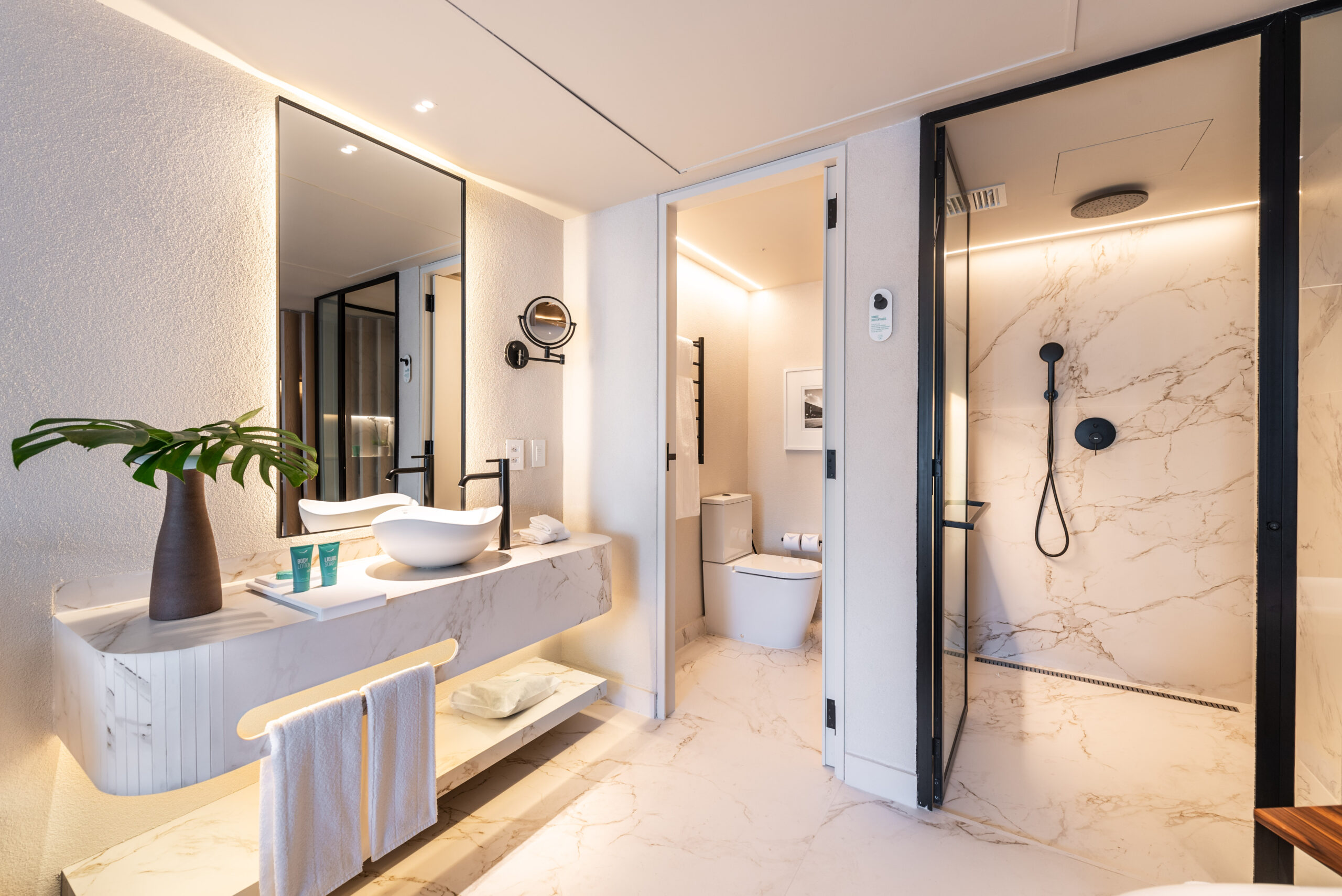
At the same time, hospitality bathrooms are becoming more expressive visually. According to Breeds, colour now plays a much more essential role. “Colour is increasingly becoming an integral part of product design, rather than something applied at the final stage,” he says. He points to the influence of fashion and furniture design on hospitality interiors, particularly through “softer, more nuanced tones, matte textures and more expressive palettes”.
Carroll has seen a similar shift away from traditional all-white schemes. “This now extends to the bathroom and includes greater use of colour, texture and premium finishes,” he says. “In some settings this means moving beyond all white and bringing in warmer tones and matt finishes.”
For Borowski, however, the most successful hospitality bathrooms are often defined less by visual drama and more by how naturally they function. “Inclusivity is about more than mobility,” she says. “It’s about dignity, independence and emotional comfort.”
That emotional connection is becoming increasingly important across hospitality interiors as hotels compete to create memorable guest experiences. Breeds believes the most successful bathroom schemes are those where every detail feels carefully resolved. “Ultimately, the most compelling work is where there is a clear dialogue between product and architecture,” he says, “resulting in spaces that feel both functional and emotionally engaging.”
In many ways, that balance now defines the modern hospitality bathroom. Guests expect spaces that feel luxurious yet effortless, calming yet hard-working, visually striking yet easy to use. Achieving all of those things simultaneously is no small task. But when done well, the bathroom becomes far more than somewhere to prepare for the day ahead. It becomes part of the experience itself.